What is a SCAO ?
Smart Contract Assisted Organization
written and designed by Klemen Skornisek
Original post: Nov 8th 2022
Last edit: April 29th 2022
So… What is a SCAO ?
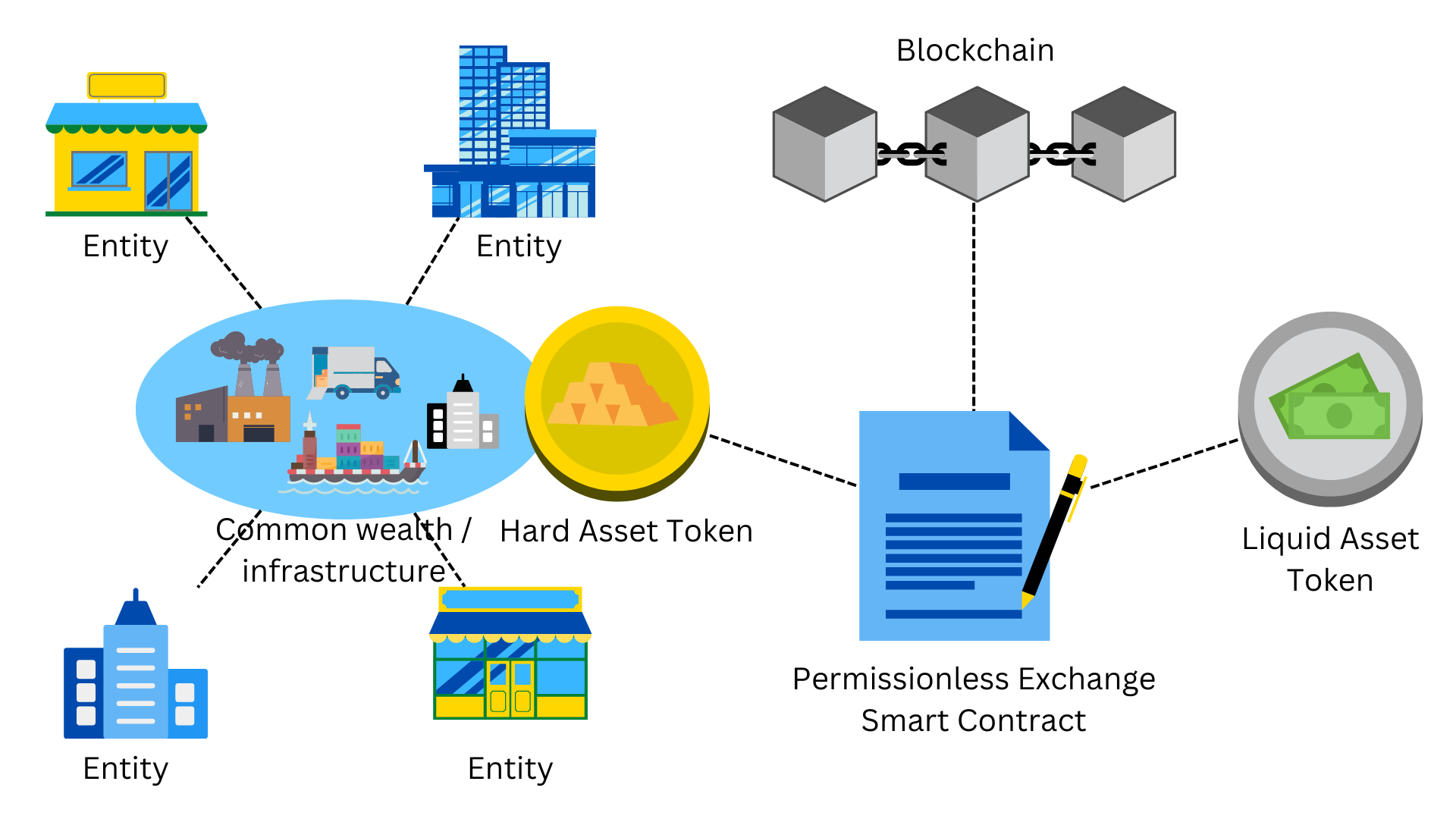
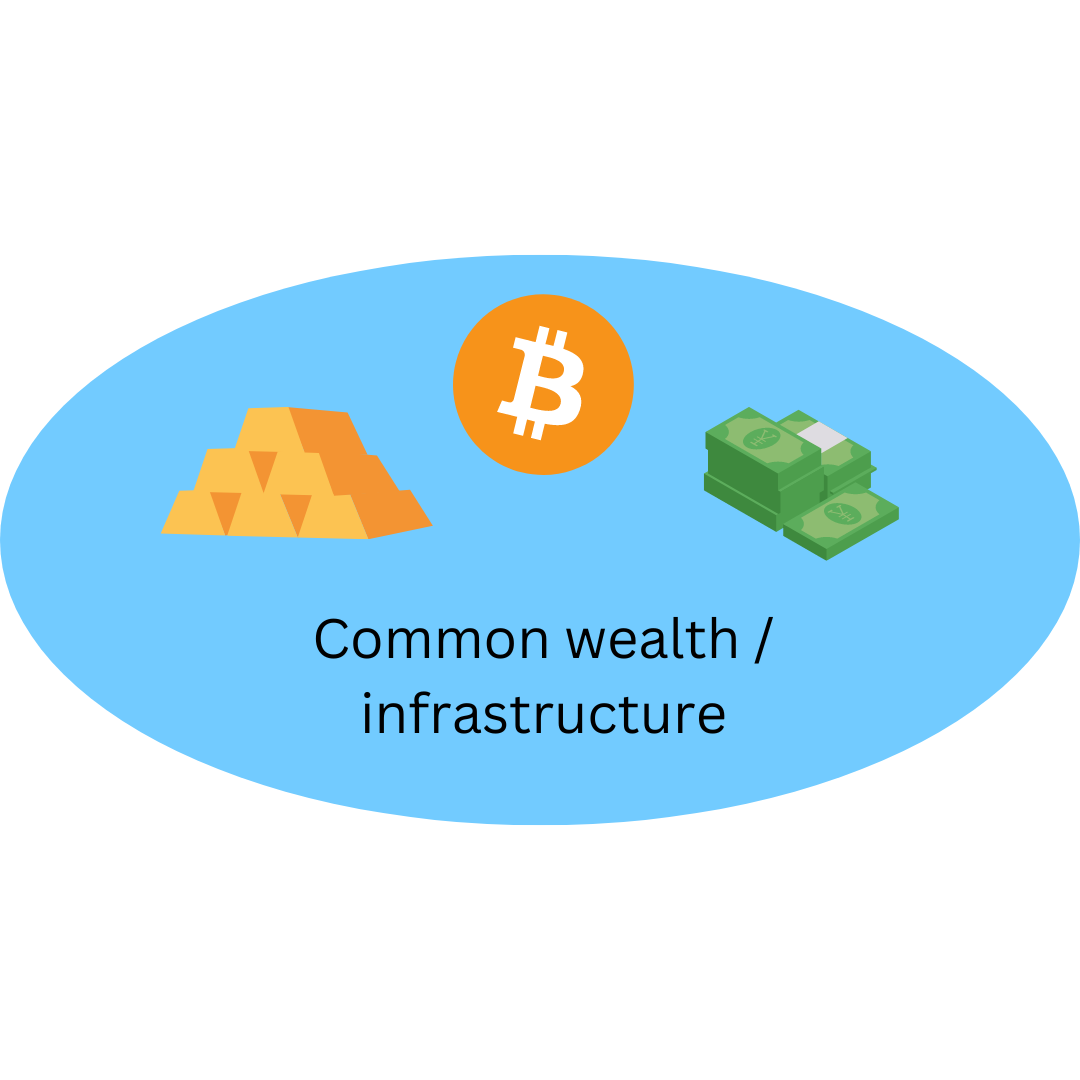
A SCAO is a set of independently run legal entities connected into a common, worldwide, democratically governed network which together own and manage common, shared wealth / infrastructure and are incentivized to work together towards a common, shared higher level mission with the help of economics and decentralized technologies (blockchain based smart contracts).
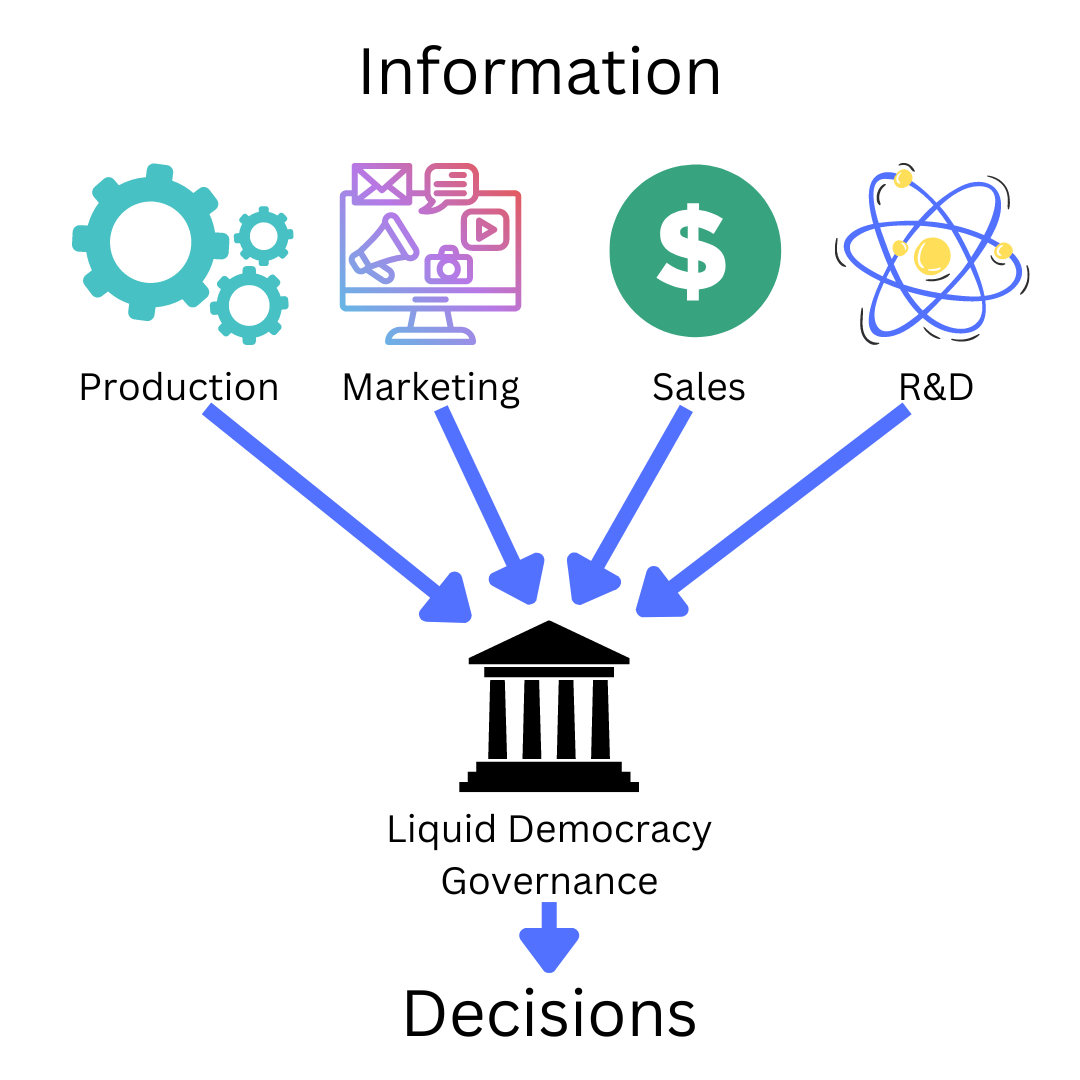
On a higher level imagine the SCAO performing the end actions of a large multinational organization (think Apple or Tesla), but instead of the company being structured as a top - down dictatorship where decisions are made by a small number of executives, think of it as a market reliant, bottom - up, collaborative, collective, democratic process. In a sense a SCAO is like a digital nation with its own monetary policy, democratic decision making system, taxation system and infrastructure.
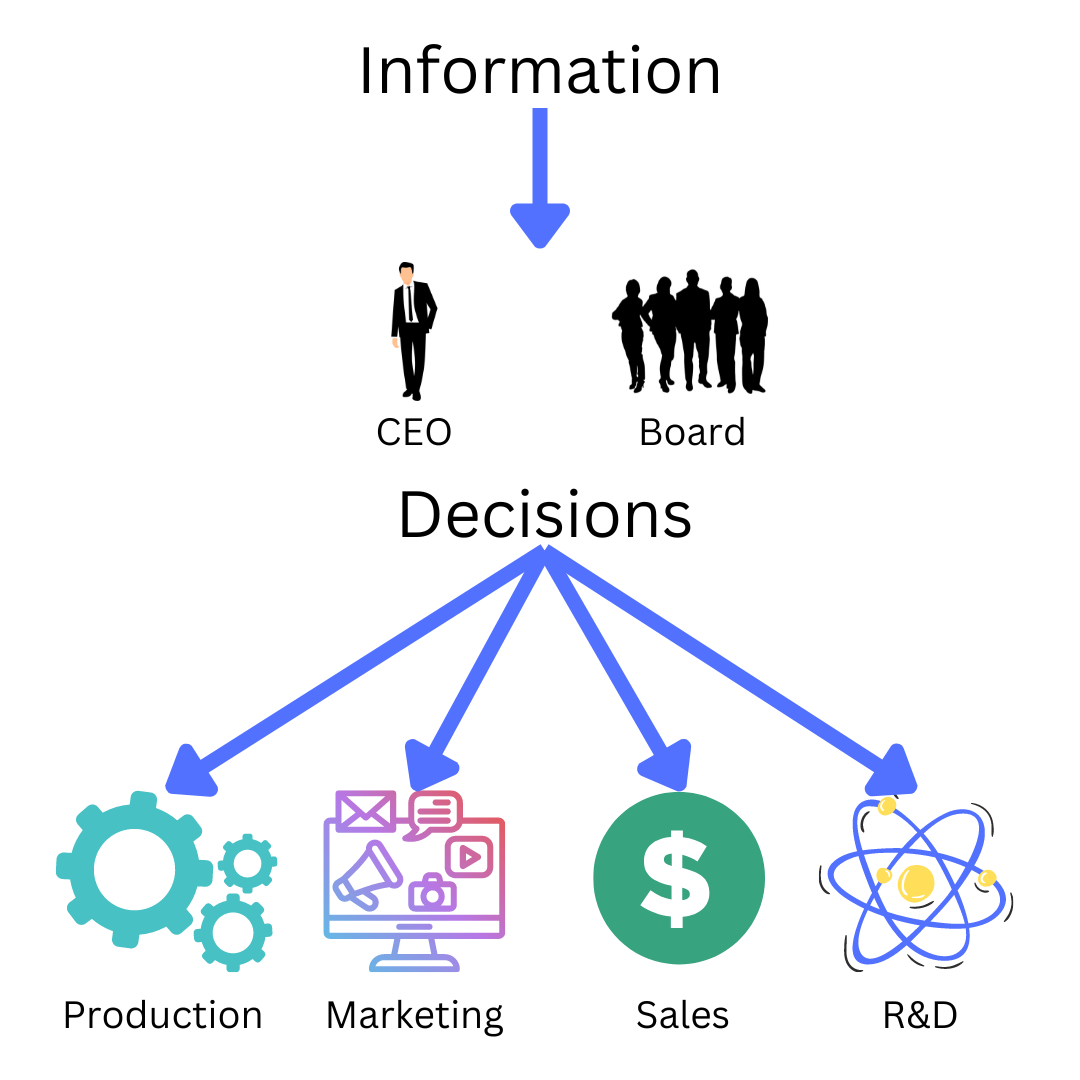
Existing corporate governance
novel SCAO governance
A schema of a SCAO
How does it differ from a DAO ?
1) A SCAO is only partially autonomous,
2) There exists a balance between centralization and decentralization. Merit based hierarchies are not outright discouraged, but are accepted as a natural phenomenon,
3) Governance is more complex where multiple voting and districting schemes such as Mixed Member Proportional, Alternative Vote and Single Transferable Vote are used instead of traditional First Past The Post voting.
What are the hypothetical benefits ?
Three SCAO experiments:
( detailed explanations of each individual SCAO design coming soon )

The Components of a SCAO Network System
( detailed explanations and other writings are located in seperate pages )

The hypothesis is that a democratic SCAO will outperform traditional dictatorial corporations due to an increase in efficiency and productivity achieved through democratic governance, shared wealth, free flow of information, free speech, and free market principles. Furthermore, sharing wealth, infrastructure, resources and governance abilities should lead to an improvement in living standards, environmental accountability, as well as lead to a healthy decrease in suffocating wealth inequality, incentivizing the economic benefits of putting people over profit, and emphasizing having a smaller piece of a bigger pie rather than a larger piece of a smaller pie.
Currently, corporations really are structured like dictatorships making them not only inefficient, destructive to the environment and society, but also unhealthy, inhumane, abusive places to work at, presenting a vehicle accelerating centralization of wealth and power leading to numerous stability and prosperity threatening problems.

An Example SCAO Network:
*Note: this example is hypothetical and does not exist in the real world

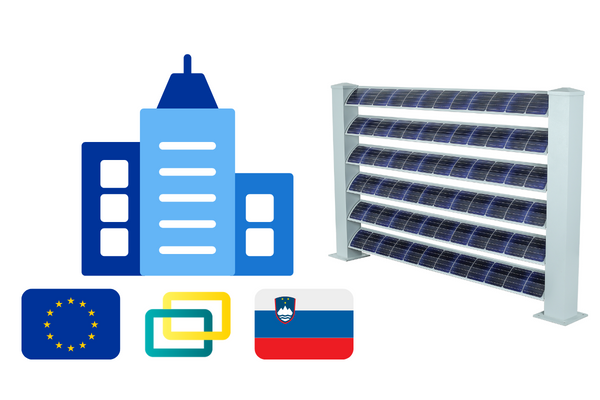
Solar Integrated is a Slovenian startup whose mission is to weave solar energy into the very fabric of our society. The company is manufacturing, marketing and installing a Solar Fence generating revenue and expenses.
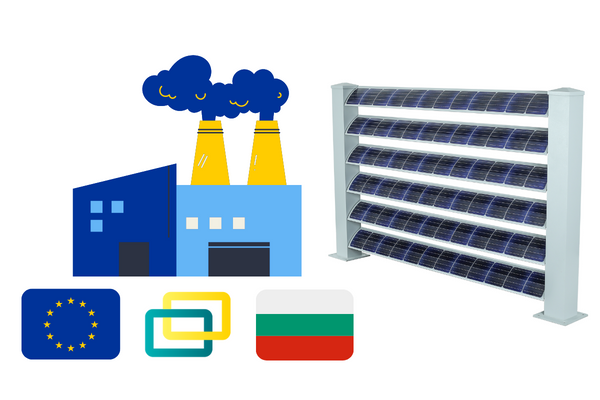
As the company grows, the original founders invest in building a Solar Fence factory in Bulgaria, opening a new entity in the country: Solar Integrated Bulgaria, which has its own unique set of income and expenses.
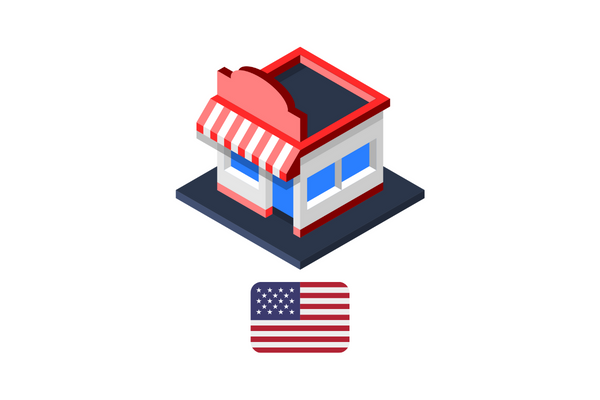
At a conference the founders meet an unrelated American Solar Installer (EPC) Company which wants to offer the Solar Fence to its local customers. The EPC has its own set of income and expenses flowing through a different set of founders.
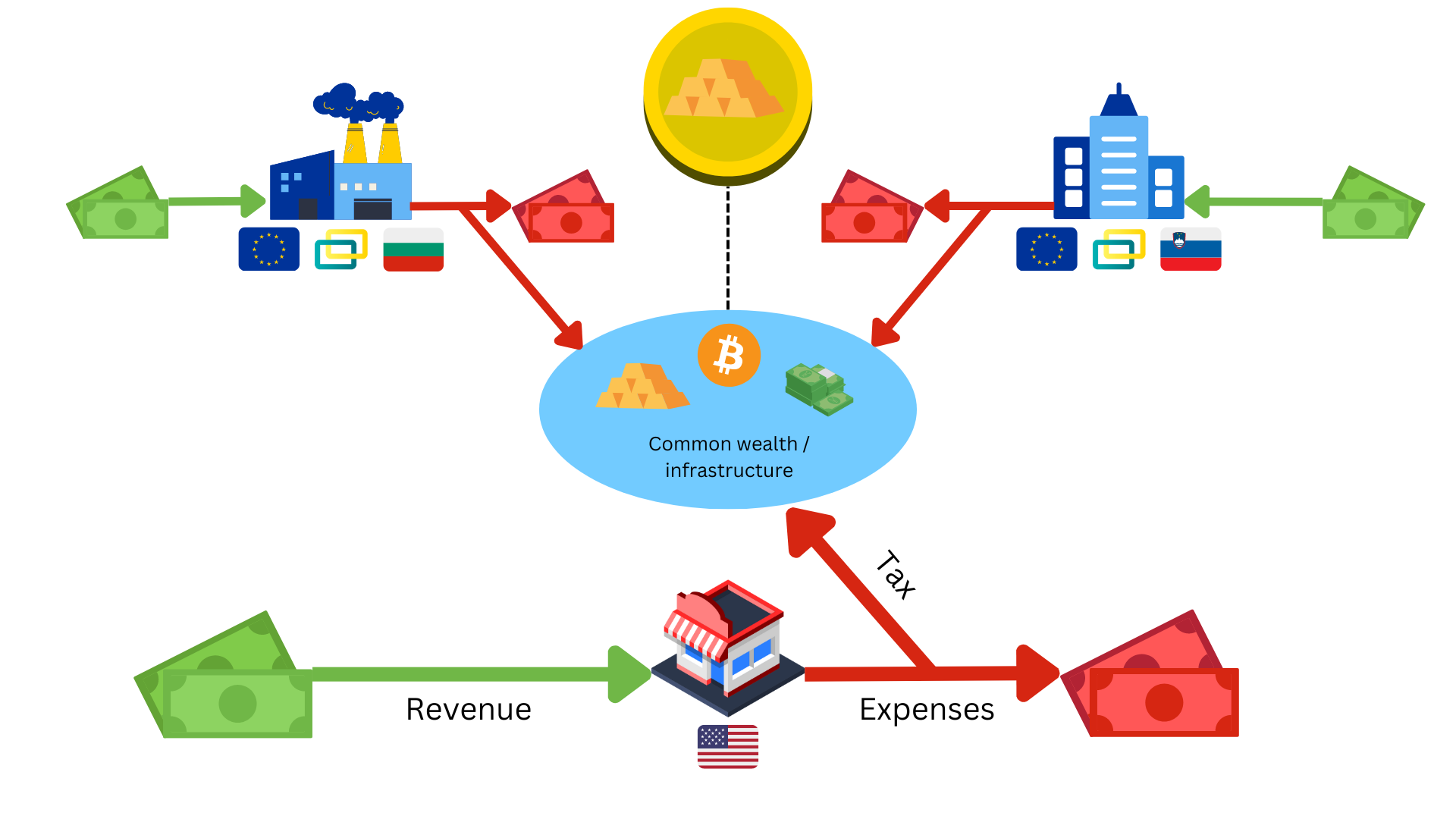
The founders share a common mission to weave solar energy into the very fabric of society with the help of blockchain technology. They know they can’t achieve their goals alone and in a visionary move collectively decide to connect into a primitive SCAO network between the three companies which aligns their incentives and connects them into a common unit without threatening their local independence.
Each company independently operates and expands while freely sharing resources, experience, intellectual property, marketing materials and more. Collaboration comes at the expense of a democratically agreed upon profit tax that funds a common treasury in return for a hard asset token. The treasury is democratically spent on common infrastructure meant to expand common wealth to which the hard asset token is pegged.
With the help of the free market, the common treasury and the liquid asset token’s stimulus word gets around and over time even more independent companies from different regions / backgrounds join; for example EPCs from other states or countries, a transportation company might see an opportunity, as might a professional marketing company for example. The theory is that the free market will produce a much more efficient and effective expansion than a centrally planned expansion would.
The companies participating in the SCAO network are all independent; tailored to local regulations, practices and realities. Expansion is quick, efficient, and everyone in the network benefits from it since incentives, infrastructure and some wealth are unified through the Hard Asset Token.
The HAT incentivizes all network participants to think and work hard on ensuring the growth of the the common treasury, to which the hard asset token is pegged to.
But more about all of this later.
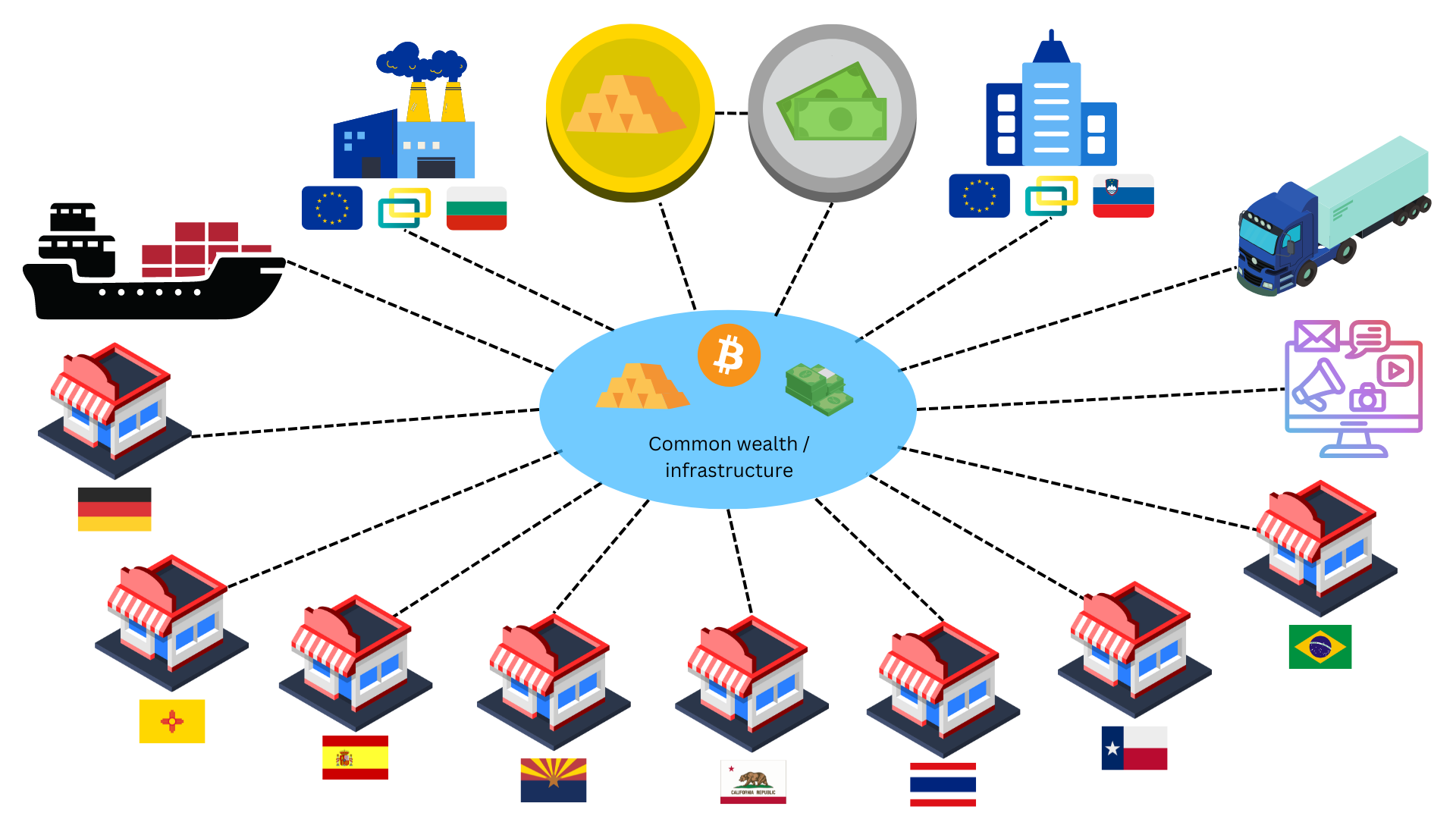
Alone, each of these companies cannot afford to erect common infrastructure such as for example: a Solar Fence factory in the United States. The erection of an American factory would potentially make the whole network more profitable by cutting transcontinental Solar Fence transportation costs for EPCs. Even though this would cut transportation company’s revenues (and they might in fact campaign against this decision), the negative effects would be lessened, because the transportation company’s hard asset token value would grow as a result from the better efficiency decision.
SCAOs thus lessen the negative effects of zero - sum decisions for network participants and incentivize always finding the best option.
Even though each individual SCAO will have different custom governance structures, lets look at this simple hypothetical Solar Integrated SCAO governance example case and its process:

Every custom time period a Porto Alegre inspired communal wealth / infrastructure treasury budget and executive plans are proposed, discussed voted on and set by the entire SCAO network in an efficient custom process ensuring adequate participation rates.
An American entity has the idea that building a US Solar Fence factory would make the SCAO more profitable, consequentially rising the HAT price. The entity conducts market research, proposes the plan to the communal governance forum and campaigns for the realization of their plan.
This proposal will lessen the transportation company’s revenue, and they may attempt to prevent the election of the proposal by either arguing against it, or even spreading disinformation - which is why a thorough democracy voting education & infrastructure are crucial to ensure the best outcome.
Hopefully the opposing campaigns create a thorough debate from which the best choice emerges, and is set in the first part of the budgeting process setting the program agenda for the next time period.
The second part of the budgeting process encompasses the execution of the budget accepted in the first part. The execution process may differ from case to case, but for this case trusted qualified representatives may be elected into an executive factory construction committee demonstrating the liquidity of this democracy.

All ideas and data that weren’t elected remain open for further development, and are kept as historical reference points for potential future re - evaluation.