Introduction to
SCAO Voting Systems
written and designed by Klemen Skornisek
Original post: May 10th 2023
Last edit: May 10th 2023
1) Storing on - chain, Calculating off - Chain
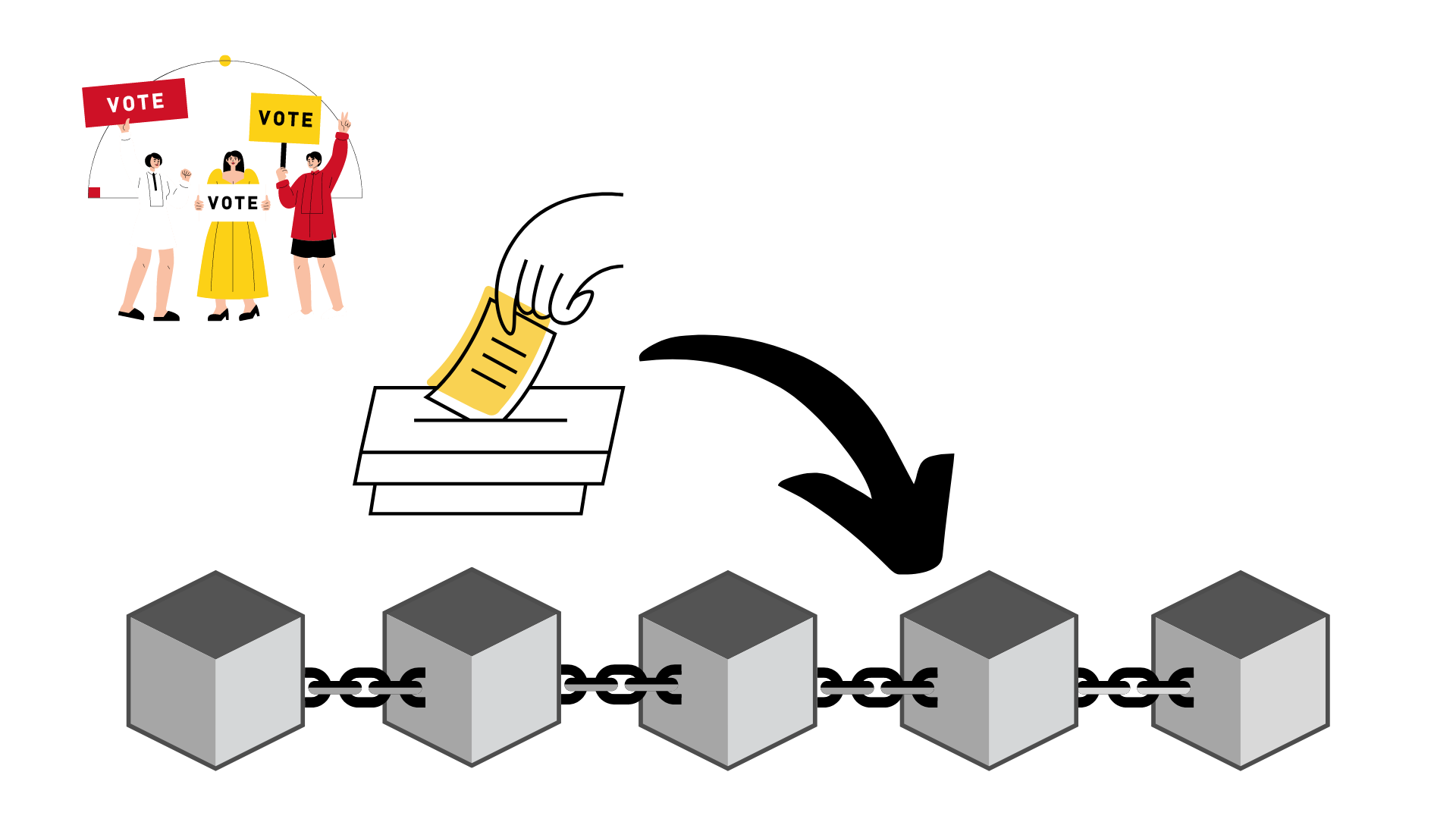
Votes are cast & stored
on - chain
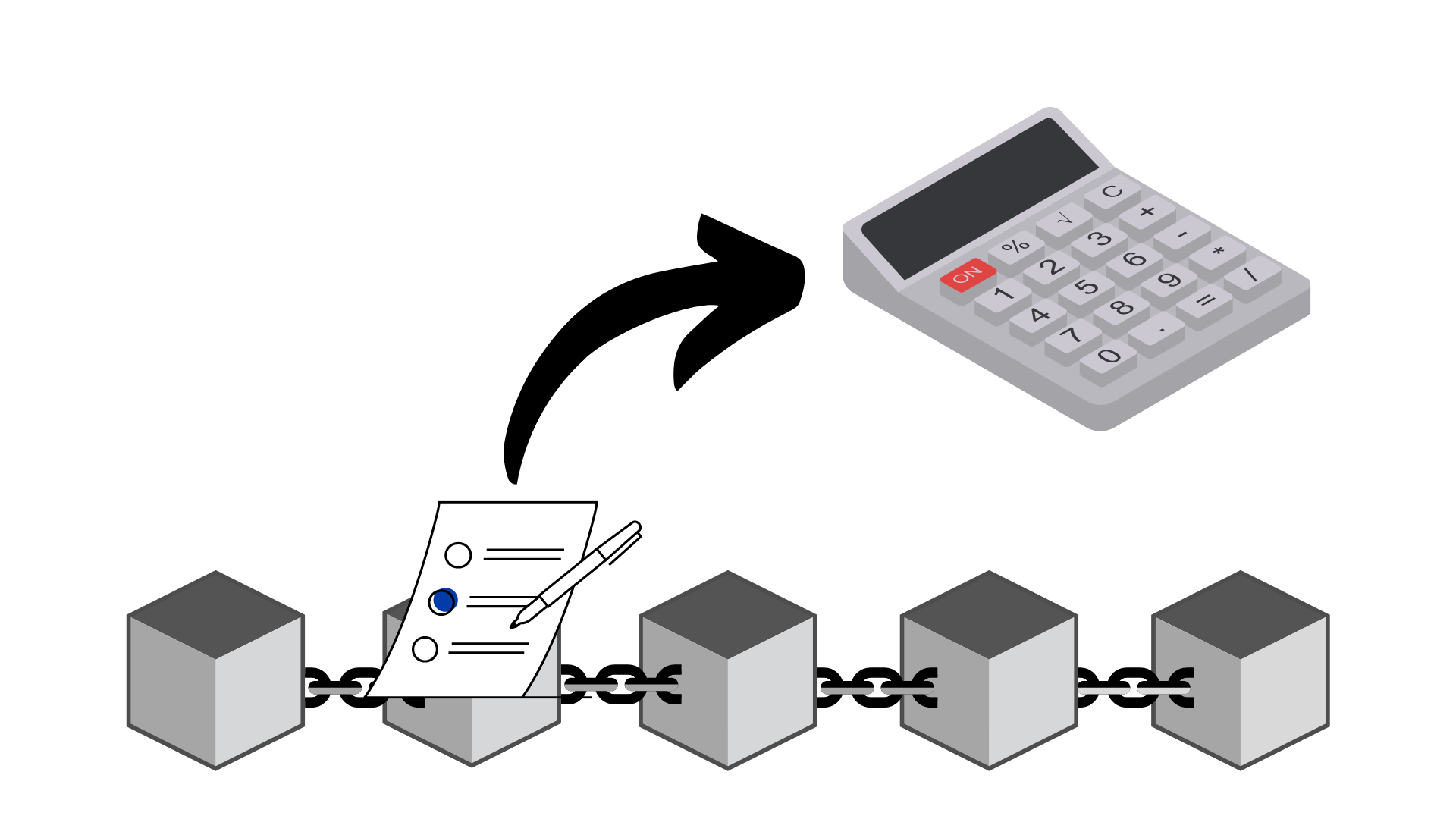
end results are calculated
off - chain
Storing voting data on - chain enables transparent, secure, seamless, trust minimized behavior and coordination between individual entities (“network nodes”) enabling efficient, trust minimized operation in unison towards a higher level common goal.
Once written, data & results are calculated off - chain to
2) NFTs (Non Fungible Tokens) as keys to participation
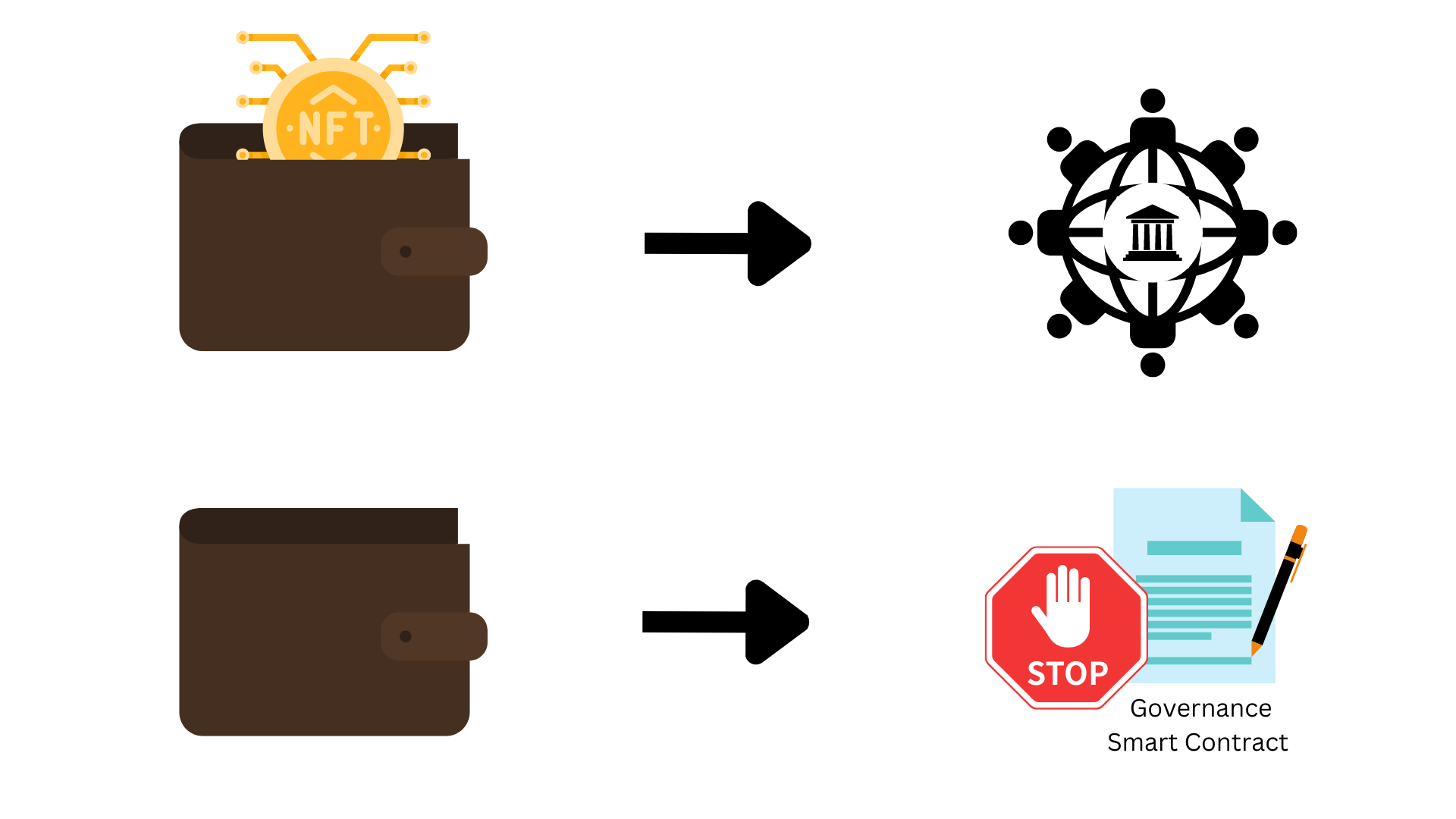
Special governance NFTs can be issued and utilized in custom governance decision making systems optimizing, categorizing and segmenting electorates which enables highly modular, highly customizable voting options seamlessly integrated into the efficient operation of the SCAO - a novel kind of organization.
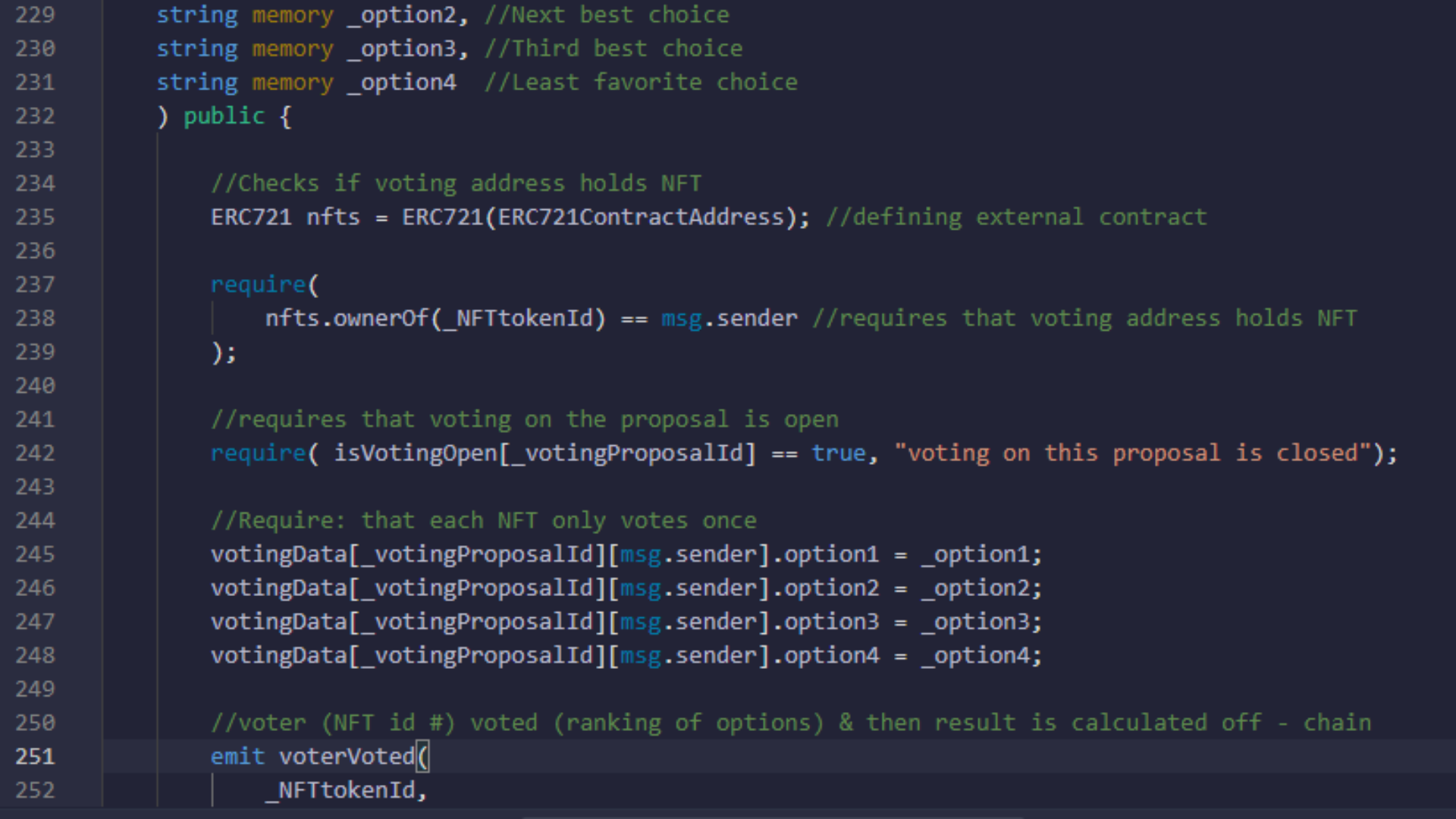
3) Allows Liquid Democracy

Voters can delegate their votes to a trusted representative that votes on their behalf, or they can participate in decision making directly.
This trait minimizes the need for corruption - prone representative democracy, and offers the best of both worlds: delegating decision making to trusted experts, but also allowing the possibility of instant accountability by withdrawing decision making power, and enacting it directly.
4) Voting traceability

While privacy and anonymity are crucial components to some elections, the blockchain’s public, full transparency and pseudonymity traits can be utilized to create decision making track records before other anonymity developments are completed.
5) Sufficient decentralization